
Survivor · Season 30 · Worlds Apart
Thirty-nine days with no authority over anyone.
I was the oldest player in the cast, competing against people thirty years younger, in a game where nobody has to do anything you say — and the people you're competing against decide, at the end, whether you win. I finished as runner-up. It remains the most literal test of leading without authority I could have designed on purpose.
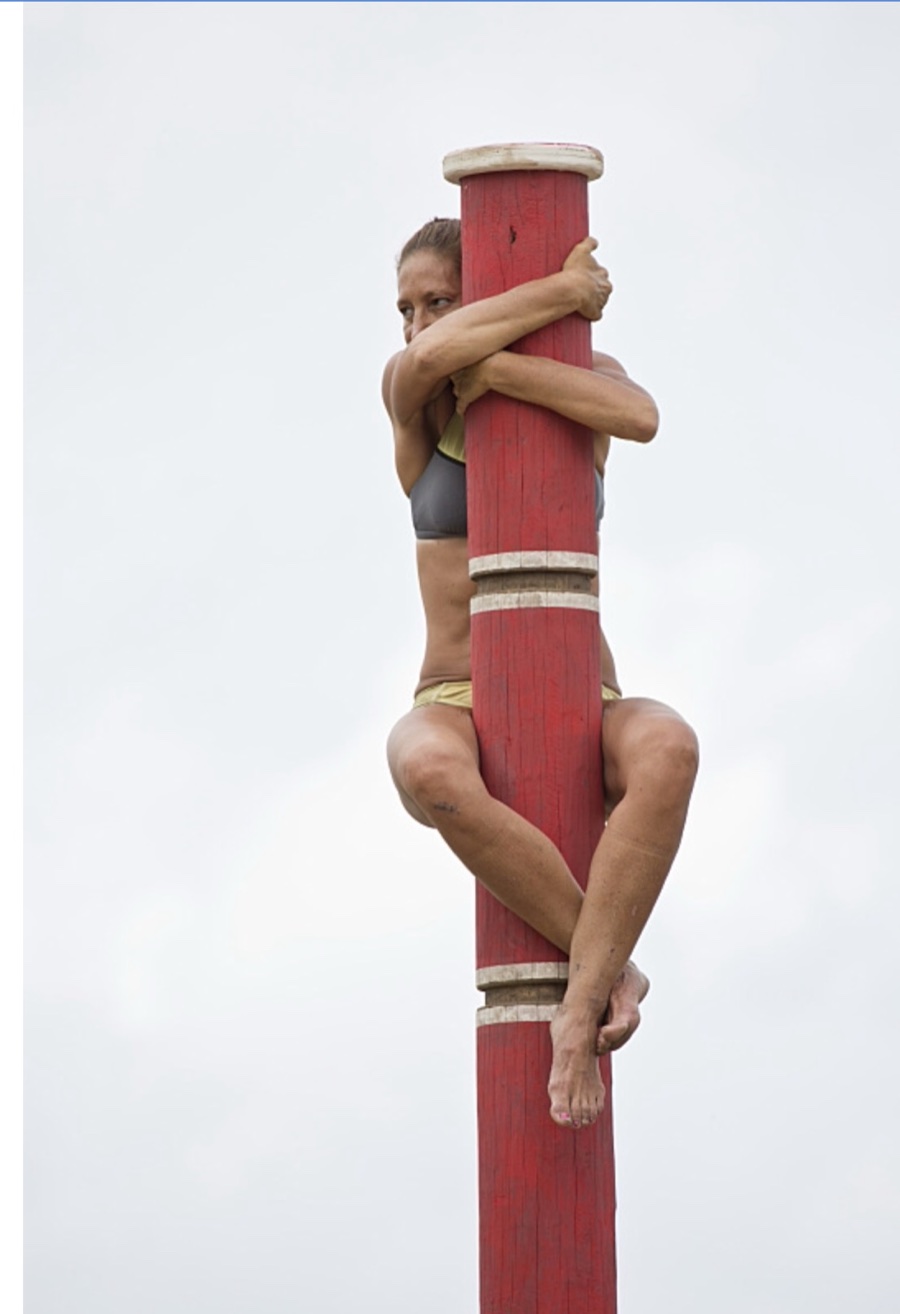

Watch
Mama See, Mama Do.
Strategy in action — Castaway Carolyn's most epic moves on Survivor: Worlds Apart.
In under four minutes, you'll see me:
- Find the hidden immunity idol on my own — no clue, in the first days of the game — and keep it secret for more than a month
- Blindside So Kim at the very first Tribal Council
- Win individual immunity twice — the only woman of the season to win it
- Vote out Tyler Fredrickson, my own ally, when the numbers demanded it
- Play my idol when five votes came my way — and send Dan to the jury instead
Why it's relevant
It is the same problem your managers have.
Strip away the beach and the challenges and the conditions are oddly familiar. You hold no formal power. Nothing gets done unless someone chooses to do it with you. Your peers are evaluating you continuously, informally, and largely without telling you. And the people who decide your outcome are the ones you've been competing against all along.
That is the exact position of a capable manager inside a matrixed organization. No direct reports across the functions they depend on. Outcomes that hinge entirely on people who don't report to them. A promotion decision made in a room they aren't in, by people forming impressions they never see.
Most leadership training treats influence as a soft skill. Thirty-nine days without a title will teach you it is the whole job.
What it actually took
Four things, none of which were strength.
Build relationships before you need them
Every alliance that mattered was built long before there was anything to ask for. The people who waited until they needed something found the door already closed. The relationship you build in a quiet month is the one that carries you in a hard one.
Demonstrate value you can't be told to provide
Nobody assigned me a role. I found what the group needed that nobody else was doing, and did it consistently enough that removing me became expensive. Managers without authority earn standing exactly the same way.
Read the room before you speak into it
Most fatal mistakes came from people who pushed an agenda before they understood the room they were pushing it into. Influence starts with accurate reading, not persuasion.
Trust is currency, and it is spent, not stored
Every move that broke trust bought something short-term and cost something permanent. The ledger is invisible right up until the day it's read aloud — which in business is the promotion conversation, and on the island is the final vote.

Second place
Why the runner-up has the more useful story.
I hit nearly every milestone. Found the hidden immunity idol. Made the merge. Won individual immunity twice. Built relationships that outlasted the show by a decade. And then I didn't get the votes.
Winning would have given me a victory lap. Second place gave me something more useful: the gap between playing a strong game and being chosen. That gap is the most common and least discussed experience in corporate life — the high performer who does everything right, delivers every result, and watches someone else get the role.
Understanding why that happens, and what closes the distance, turned out to be worth more than the title would have been. It's the question underneath most of the coaching I now do.
The keynote.
I speak on this at conferences, leadership summits and company events — the story, and the practical framework underneath it that a room of managers can use the following Monday. It works best as the opening to real development work rather than a standalone hour.